
How to Calm Your Dog Naturally (Sound, Scent & Environment Explained)
A simple guide based on research
Creating a calm environment for your dog does not come down to one single solution.
Research shows that it is often the combination of small, supportive elements that helps dogs feel more settled.
One study that highlights this clearly is:
Amaya et al. (2020) — Effects of Olfactory and Auditory Enrichment on the Behaviour of Shelter Dogs
While the study was carried out in a shelter environment, the findings are very useful for everyday dog life at home.
What the study looked at
The researchers explored how two types of sensory support affect dogs:
Auditory enrichment — calming sound, such as music
Olfactory enrichment — scent-based stimulation
The goal was to see whether these environmental changes could influence how dogs behave in a stressful setting.
What the study found
The key takeaway is simple:
Dogs responded to their environment.
When calming sound and scent were introduced:
behaviour changed
stress-related activity was affected
dogs showed signs of being more settled in certain conditions
The important point is not that one specific sound or scent “fixed” stress.
It is that the overall environment made a difference.
What this means for your dog at home
Your dog’s ability to relax is influenced by more than just one thing.
It is shaped by:
what they hear
what they smell
what their space feels like
how predictable their routine is
This is why a calm routine works better than a single quick solution.
How to apply this in real life
Here are simple ways to use these findings at home.
1. Add gentle, consistent sound
Soft sound can help create a more stable environment, especially during:
bedtime
quiet time
home-alone time
Start with:
low-volume calming music
soft ambient sound
consistent background audio rather than silence
Keep the volume low and steady. The goal is support, not stimulation.
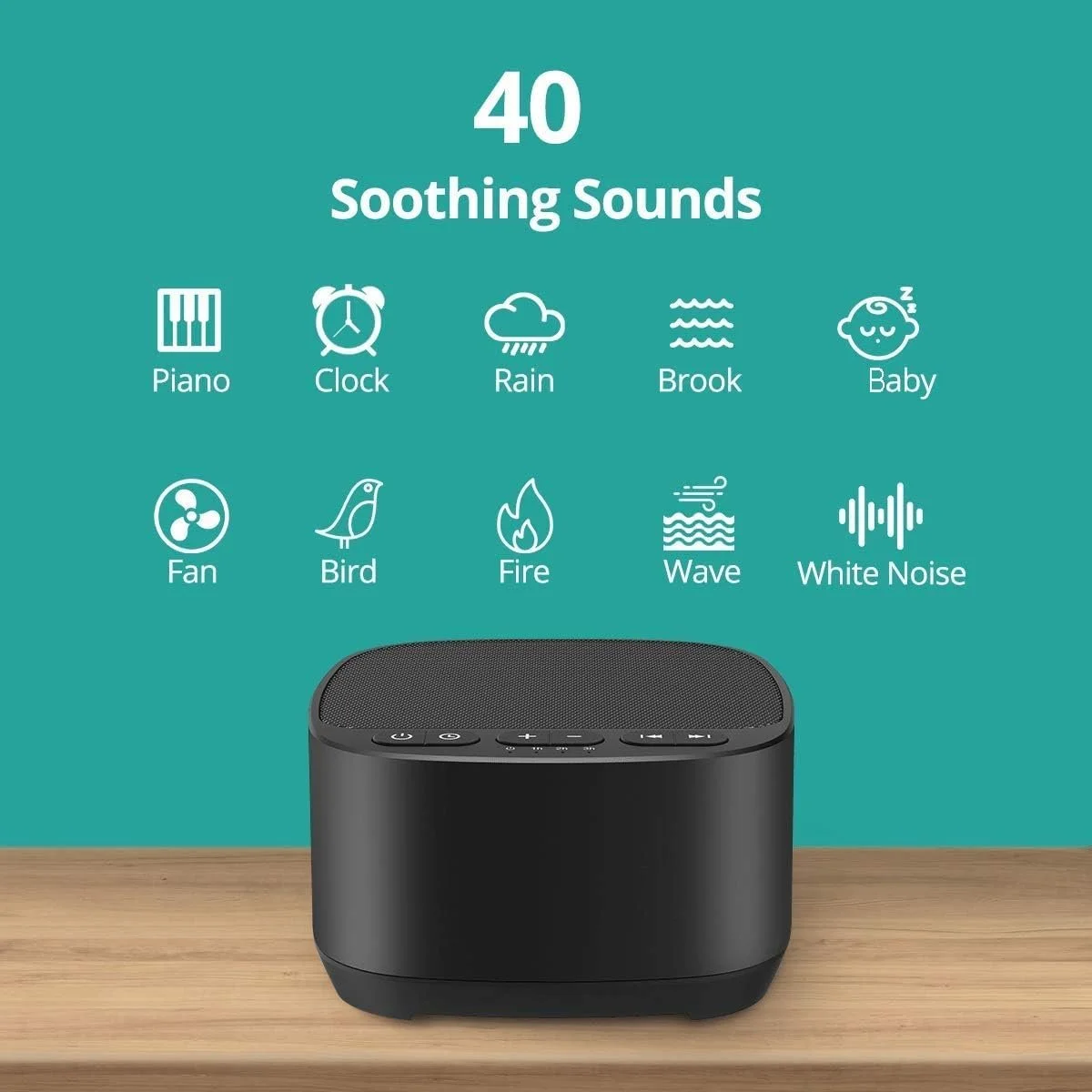
White Noise Machine
A soft background sound option that may help reduce the impact of outside noise in the home.
Why we like it: Helpful for dogs who react to hallway, traffic, or neighbourhood sounds.
2. Be mindful of scent
Dogs experience the world heavily through scent.
A calm environment often includes:
familiar smells (their bed, blankets, home space)
clean but not overly scented surroundings
Avoid:
strong artificial fragrances
sudden changes in smell
If you introduce scent, keep it subtle and consistent.
3. Create a dedicated calm space
A calm environment should feel:
predictable
comfortable
low stimulation
This could be:
a soft bed in a quiet corner
a consistent resting area used daily
a space away from busy household movement
Your dog should begin to associate this space with rest.

Orthopaedic Dog Bed
A supportive bed that works well for older dogs or dogs who need a more stable resting surface.
Why we like it: Helpful for longer rest periods and calmer bedtime routines.
4. Keep routines consistent
One of the most powerful calming tools is routine.
Try to keep:
similar times for rest
consistent pre-sleep behaviour
predictable patterns for leaving and returning home
Dogs settle more easily when they know what to expect.
5. Combine small elements, not just one
The most important lesson from the study is this:
Calm comes from the environment as a whole.
Instead of relying on just:
music
a product
or a single technique
Focus on combining:
sound
scent
space
routine
Small improvements across each area can make a meaningful difference.
A simple way to start
If you want to try this approach, begin with a small routine:
choose a quiet space
add soft background sound
use your dog’s usual bedding
keep the environment calm and consistent
Then observe your dog over time.
Look for signs such as:
slower breathing
relaxed posture
less restlessness
Every dog is different, so what works best will come from gentle testing and consistency.
